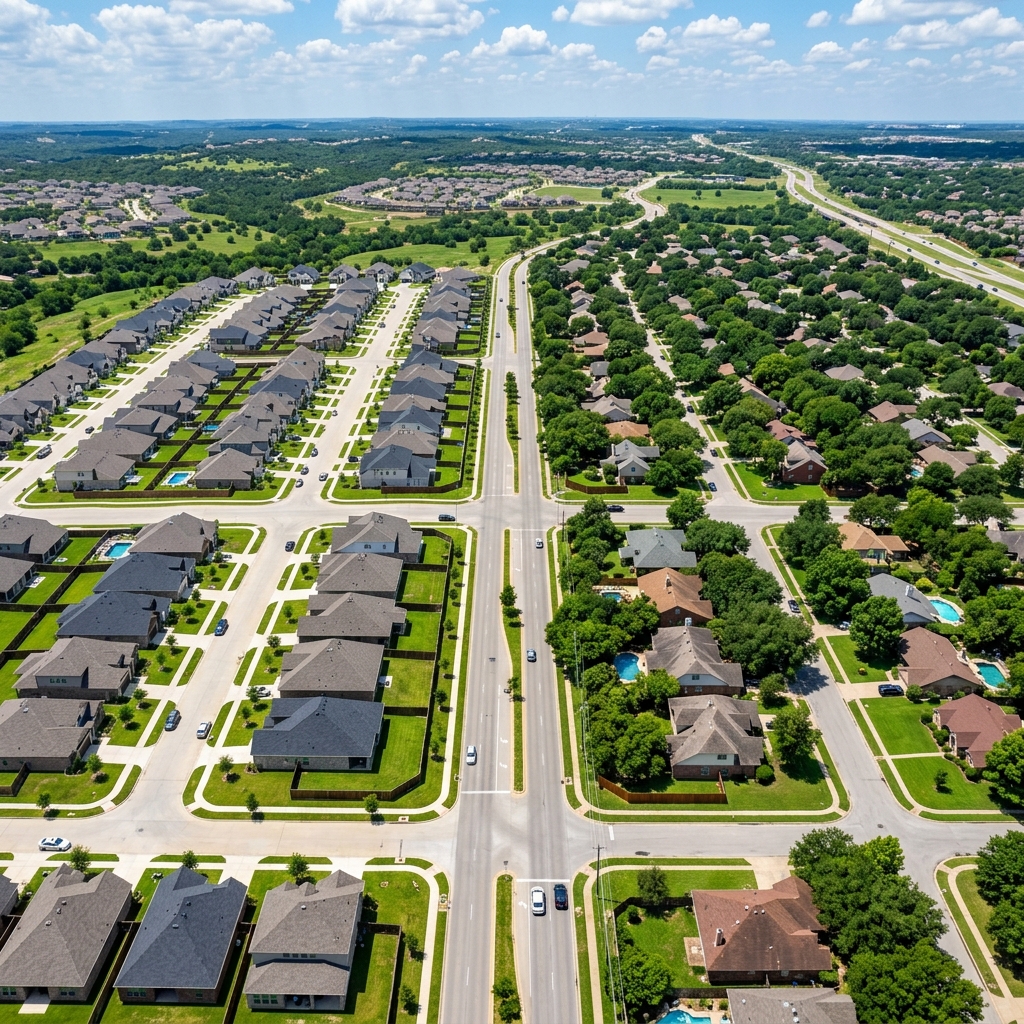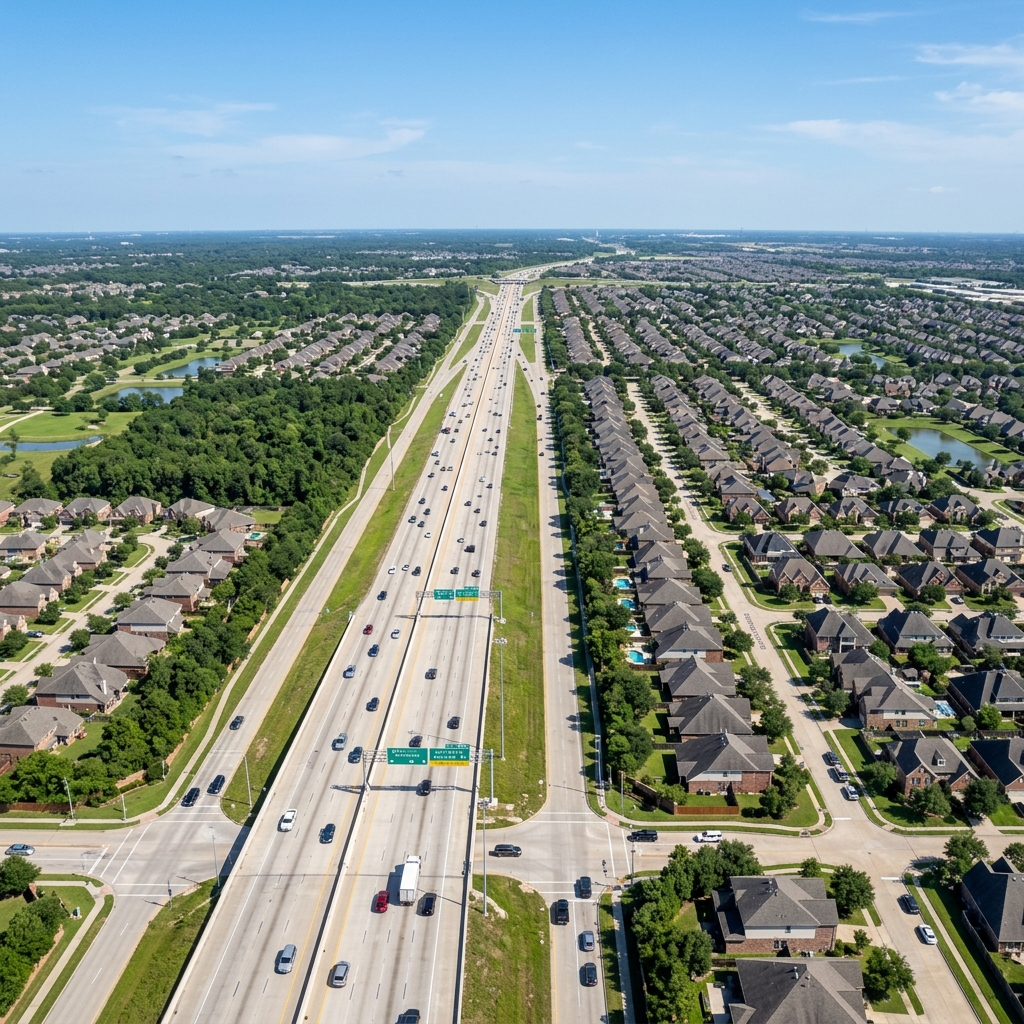

Houston Premium Outlets at Highway 290 and Mason Road has transformed the surrounding Cypress landscape. What was once quiet residential neighborhoods is now a bustling commercial corridor with mixed-use development, increased traffic, and rapid infrastructure changes. Both homeowners and business owners in this area face unique roofing challenges that require attention from someone who understands the local dynamics.
Properties near Houston Premium Outlets deal with accelerated roof wear from increased traffic vibration, altered drainage patterns from commercial development, and higher wind exposure along the Highway 290 corridor. Both residential and commercial roofs in this area benefit from proactive maintenance schedules.
Understanding the Outlets Corridor
The Houston Premium Outlets area sits at the intersection of Highway 290 and Mason Road — one of the busiest commercial zones in Northwest Harris County. Surrounding neighborhoods like Cypress Creek Lakes, Bridgeland, and Towne Lake have seen explosive growth alongside the retail development.
This growth has changed the roofing landscape in several ways. New commercial construction has altered natural drainage patterns. Increased impervious surfaces (parking lots, buildings, roads) mean more stormwater runoff hitting adjacent residential properties. Homes that never had drainage issues before are now seeing water pooling near foundations and saturating soil around their structures.
Residential Roofing Concerns Near the Outlets
- Wind tunnel effects: Large commercial buildings create channeled wind patterns that accelerate airflow through adjacent neighborhoods. During storms, this funneling effect can intensify wind damage on nearby residential roofs.
- Construction debris: Ongoing development near the outlets generates airborne dust and debris that settles on residential roofs, accelerating granule wear on asphalt shingles.
- Drainage changes: New commercial paving redirects stormwater that previously soaked into the ground. This additional runoff can overwhelm residential gutters and cause fascia damage.
- Traffic vibration: The increased volume of heavy delivery trucks servicing the outlets and surrounding businesses creates ground vibration that affects homes within a quarter-mile.
Commercial Roofing Near the Outlets
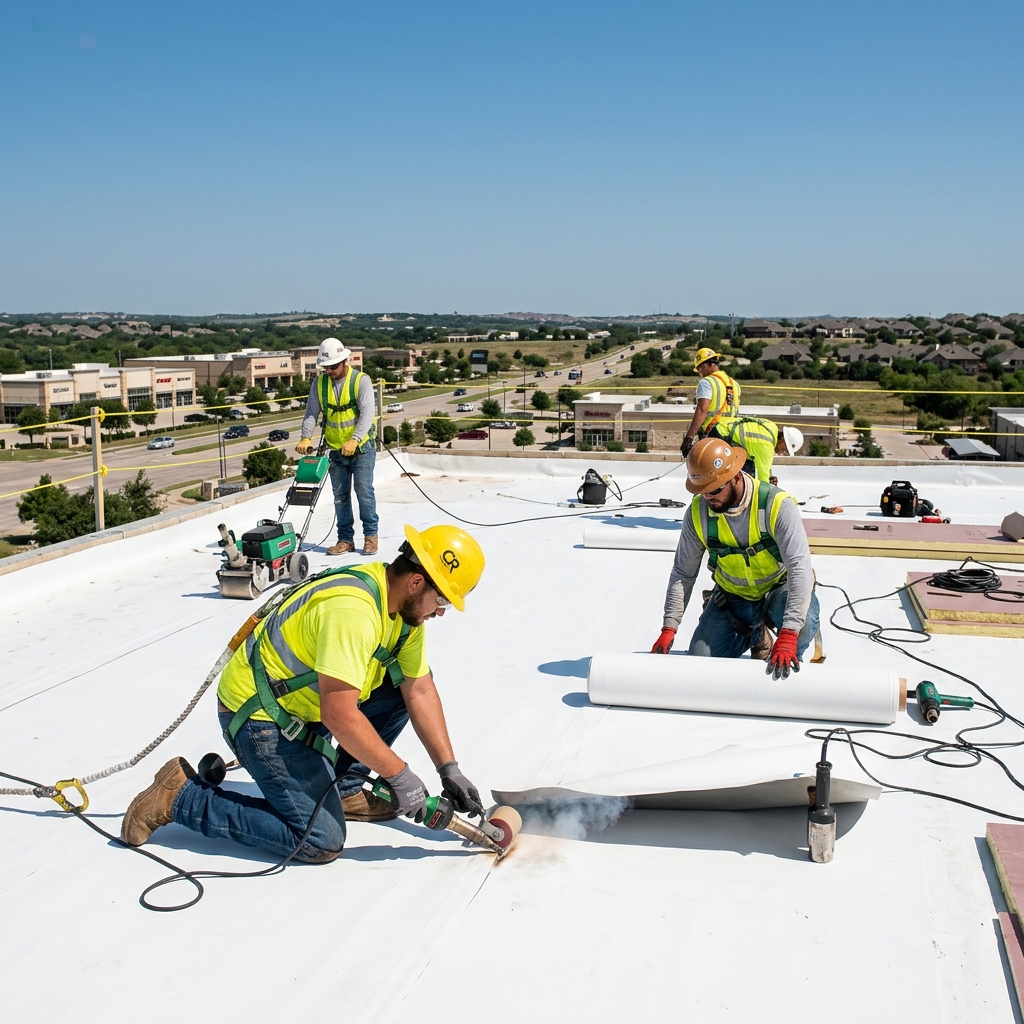
Business owners in the outlets corridor — from strip mall retailers to standalone restaurants and office buildings — need commercial roofing solutions designed for Texas conditions. The most common commercial roof types we service in this area include:
- TPO membrane: The most popular choice for flat commercial roofs in Cypress. TPO reflects UV radiation, reduces cooling costs, and handles the thermal cycling that Texas heat creates.
- Modified bitumen: Durable and reliable for low-slope roofs. Common on older commercial buildings near the outlets.
- Standing seam metal: Increasingly popular for commercial buildings that want the combination of durability, aesthetics, and energy efficiency.
If you own commercial property near the outlets, schedule roof inspections before and after hurricane season. The combination of flat roof drainage challenges and the area's exposure to highway-corridor wind patterns makes commercial roofs here more vulnerable than properties in more protected locations.
Why Local Expertise Matters Here
The area around Houston Premium Outlets has specific building code requirements, HOA standards, and environmental factors that a roofer from outside Cypress won't understand. We know which neighborhoods have HOA architectural review requirements for roofing materials and colors. We know the drainage patterns that have changed since the outlets were built. We know which commercial buildings have had recurring ponding water issues.
When you hire a local Cypress roofing company, you get someone who understands these nuances and builds that knowledge into every project — from material selection to installation technique to drainage solutions.