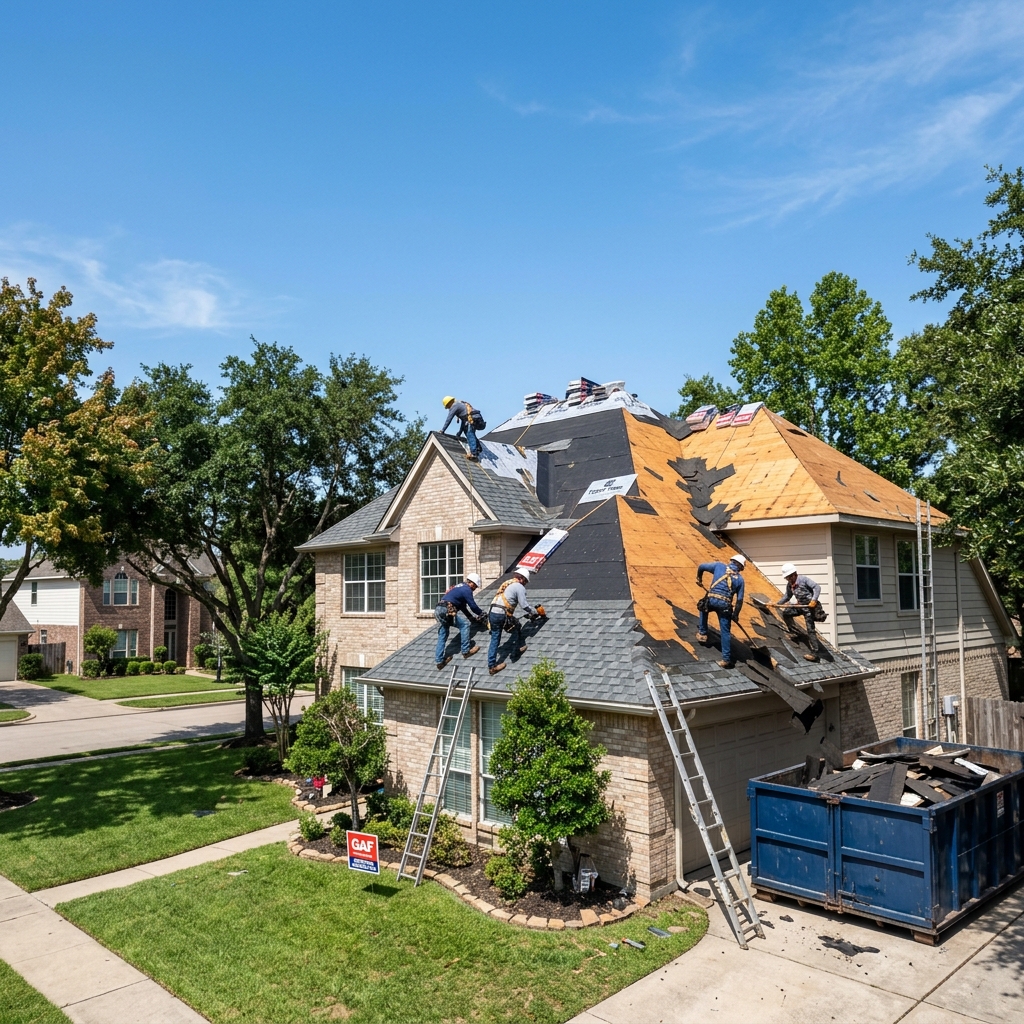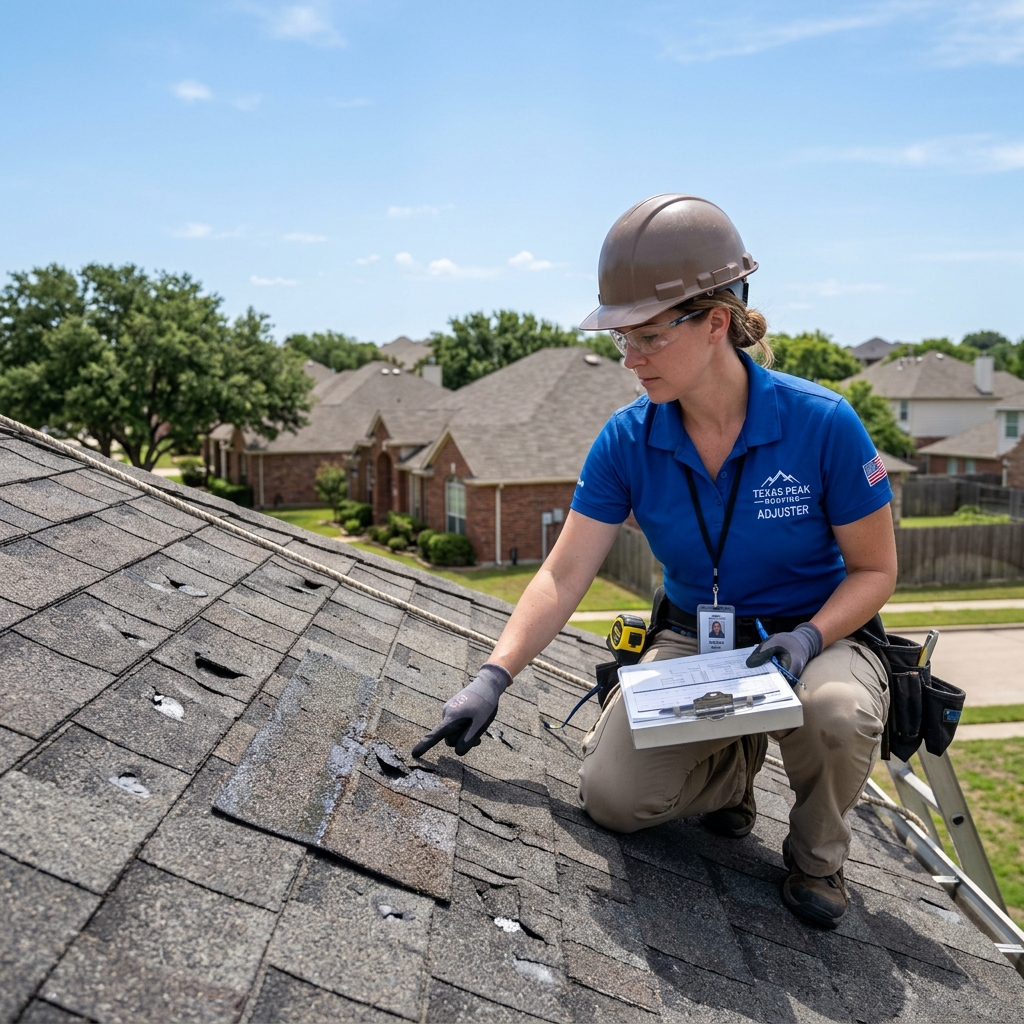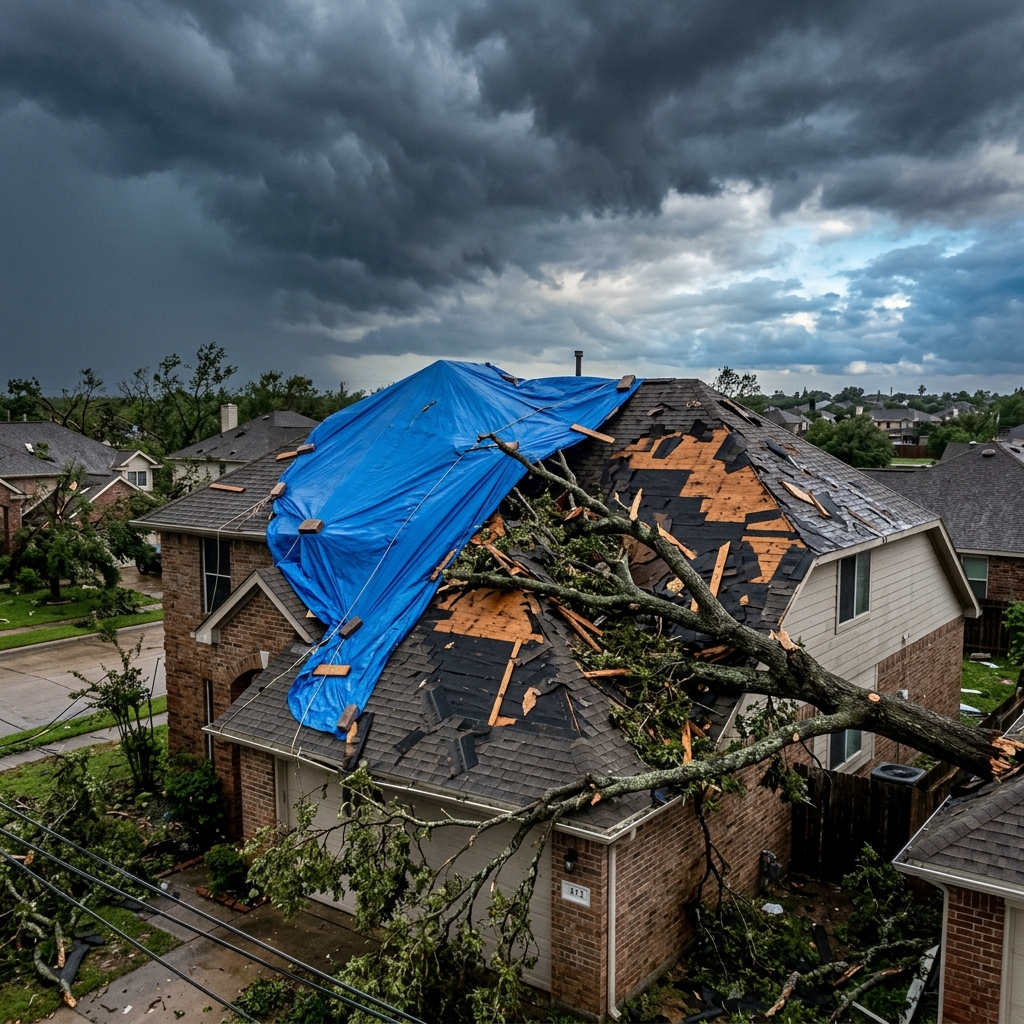

This is the most common question we hear from Cypress homeowners: "Do I need to fix what I have, or is it time for a whole new roof?" The answer depends on the specific condition of your roof — not a general rule of thumb. Let's walk through the factors that actually matter.
If repair costs exceed 30% of full replacement cost, or if your roof is over 20 years old with recurring issues, replacement is almost always the better investment. For isolated damage on a newer roof, targeted repair is the smart choice.
When Roof Repair Makes Sense
Repair is the right call when damage is isolated to a specific area and the rest of your roof still has significant life left. Common repair scenarios in Cypress include:
- Wind-blown shingles in one section: If a storm ripped shingles from one slope of your roof while the rest is intact, targeted roof repair makes financial sense.
- A single leak around a pipe boot or vent: Replacing a $15 pipe boot and resealing the flashing takes an hour and costs a fraction of replacement.
- Minor hail damage on a roof under 10 years old: Replacing the affected shingles preserves your investment in the rest of the roof system.
- Gutter-related damage at the roof edge: Drip edge and fascia repairs don't require a full tear-off.
When Full Replacement Is the Better Investment
Replacement makes more sense when repair costs start stacking up or when your roof's overall condition is declining. Signs that replacement is the better call:
- Multiple leaks in different areas: When problems are appearing across your roof, you're chasing symptoms instead of fixing the root cause.
- Widespread granule loss: Heavy granule accumulation in your gutters means your shingles are nearing end-of-life. No amount of repair fixes degraded shingle material.
- Sagging or soft spots on the roof deck: This indicates structural issues beneath the shingles that require complete tear-off to properly address.
- Previous layers of roofing: If your home already has two layers of shingles (the Texas maximum), any significant repair requires stripping everything and starting fresh.
- Your energy bills are climbing: An aging roof with poor insulation and ventilation drives up cooling costs significantly during Cypress summers. New roofing with proper ventilation and cool roof technology can cut energy costs by 15-25%.
Real Cost Comparison for Cypress Homes
Here's what the numbers typically look like for a 2,000 sq ft Cypress home:
- Minor repair (pipe boot, small leak): $300 – $800
- Moderate repair (section of shingles, flashing): $1,200 – $3,500
- Major repair (multiple areas, partial decking): $4,000 – $7,000
- Full replacement (architectural shingles): $8,000 – $14,000
Notice how major repairs approach 50% of replacement cost. At that point, you're spending significant money on a roof that will continue to age and develop new problems. The new roof gives you 25-30 years of protection with a manufacturer warranty. The repair buys you maybe 3-5 more years before the next issue.
Ask your roofing contractor for both a repair estimate AND a replacement estimate. A trustworthy roofer will explain exactly why they recommend one over the other for your specific situation. If they only push replacement regardless of the damage, get a second opinion.
The Age Factor in Cypress
Roof age is a crucial factor, but it's not the only one. Texas weather accelerates aging compared to milder climates. An asphalt shingle roof that might last 30 years in Minnesota often shows wear at 18-22 years in Cypress due to intense UV exposure, heat cycling, and storm damage.
Neighborhoods built in the early 2000s — like sections of Cypress Mill, Longwood, and parts of Cypress Creek Lakes — are hitting that 20-year mark now. Many of these homes still have their original builder-grade 3-tab shingles that were never designed for the kind of longevity that today's architectural shingles deliver.